
Is Your Tower Still Compliant with CTI Standards?
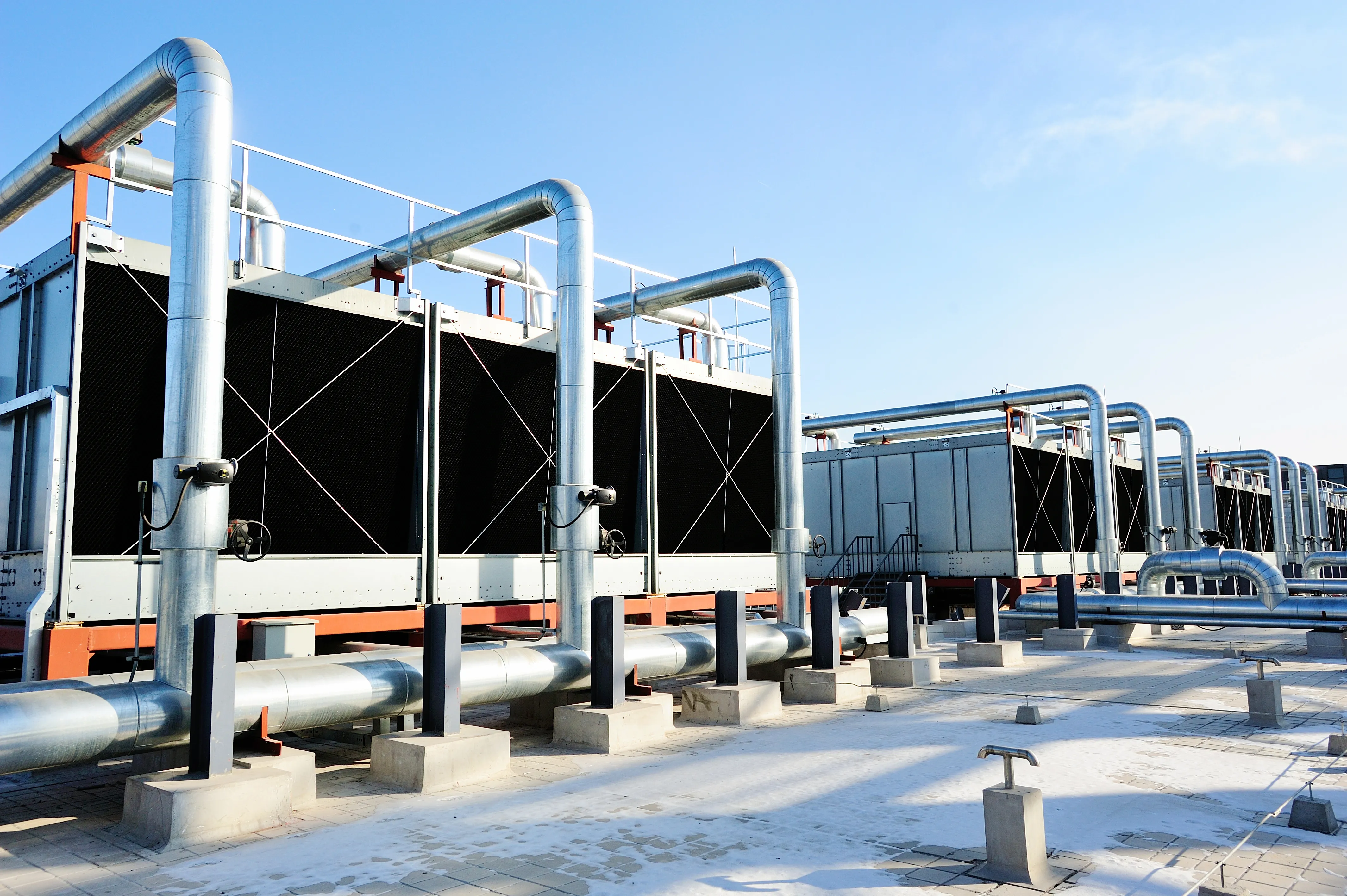
A cooling tower may have met its specified performance requirements when it was installed, but years of operation can change how closely its actual performance matches those original expectations. Aging components, fouled fill, changes to water distribution, mechanical wear, repairs, and modifications can all affect thermal performance.
The Cooling Technology Institute (CTI) establishes widely recognized standards and testing procedures for evaluating cooling tower performance. CTI Standard 201 provides the basis for certification of cooling tower product lines against manufacturers' published thermal ratings, while CTI's ATC-105 establishes procedures for determining the thermal capability of water cooling towers.
For facility owners and operators, that raises an important question: Is your cooling tower still performing the way it should?
In this article, we'll look at:
- What CTI standards mean for cooling tower performance
- Why tower performance can change over time
- Warning signs that a tower may no longer be meeting expectations
- How inspections and thermal performance testing help identify problems
- What you can do when performance has declined
What Does CTI Compliance Mean for a Cooling Tower?
CTI standards give manufacturers, engineers, owners, and operators a consistent framework for evaluating heat rejection equipment.
CTI Standard 201 establishes a thermal certification program designed to verify that models within a manufacturer's certified product line perform thermally in accordance with the manufacturer's published ratings. Equipment within the certified product line is tested by a CTI-licensed testing agency to verify those performance claims.
For towers already operating in the field, CTI's Acceptance Test Code ATC-105 provides standardized procedures for determining thermal capability. Testing considers operating measurements such as water flow, water temperatures, inlet air temperature, and wind velocity.
This distinction matters. A tower that was originally selected from a CTI-certified product line does not automatically remain in the same physical or operating condition throughout its service life. Its present-day performance depends on how the tower has been operated, maintained, repaired, and modified.
Why Cooling Tower Performance Changes Over Time
Cooling towers operate in demanding environments. Water, heat, airborne contaminants, chemicals, vibration, and weather all contribute to wear.
Over time, several conditions can reduce a tower's ability to reject heat efficiently.
Fill can become fouled, scaled, damaged, or obstructed, reducing effective air and water contact. Spray nozzles and distribution components can become clogged or damaged, creating uneven water distribution. Drift eliminators can accumulate deposits. Fans, motors, gearboxes, drives, and other key cooling tower components can wear or operate outside their intended conditions.
The tower itself may also have changed since installation. Repairs may have introduced different components or materials. Fan settings may have been adjusted. Fill may have been replaced with a different configuration. Facility expansions can alter airflow around the tower, while new structures or nearby equipment may contribute to recirculation.
Individually, these changes may appear minor. Together, they can have a meaningful effect on thermal performance.
Signs Your Cooling Tower Deserves a Closer Look
A cooling tower does not have to experience a major failure to develop a performance problem. Gradual deterioration can be more difficult to recognize because the system may continue operating while consuming more energy or struggling to maintain required temperatures.
Potential warning signs include:
- Higher-than-expected cold-water temperatures
- Difficulty maintaining process or HVAC temperatures during peak conditions
- Increasing fan energy or longer fan run times
- Uneven water distribution across the fill
- Visible scaling, fouling, deterioration, or damaged fill
- Excessive vibration or changes in fan performance
- Recurring repairs to mechanical or structural components
- Significant changes to the tower or its surrounding environment
These conditions do not automatically mean the tower is failing to meet its specified thermal performance. They do indicate that further inspection or testing may be warranted.
Inspection Is the First Step
A comprehensive cooling tower inspection and maintenance program can identify physical conditions that may be contributing to declining performance.
CTI's guidance for preparing for an official thermal performance test includes confirming that water distribution is clear of foreign material, mechanical equipment is operating properly, drift eliminators are free of deposits, fill is clean, and basin water is at its normal operating level.
Those areas also provide a useful starting point when assessing an existing tower.
Depending on tower type and condition, an inspection may examine fill, distribution systems, drift eliminators, louvers, fans, drives, structural members, casing, basins, and other critical components. Seasonal inspections, such as those included in a thorough cooling tower startup checklist, can also help uncover conditions that developed while a system was idle or operating at reduced capacity.
The goal is not simply to create a repair list. It is to understand how the tower's current condition may be affecting airflow, water distribution, heat transfer, reliability, and overall performance.
When Thermal Performance Testing Makes Sense
An inspection can reveal what is physically happening inside the tower, but it cannot always quantify how much those conditions are affecting thermal capability.
That is where performance testing becomes valuable.
CTI ATC-105 provides a standardized methodology for evaluating cooling tower thermal capability. During testing, measurements can include water flow, entering and leaving water temperatures, inlet air conditions, wind velocity, and water analysis. The resulting data is used to evaluate the tower's performance under the conditions present during the test.
Testing may be particularly useful when a facility is experiencing unexplained cooling limitations, evaluating an older tower, considering a major repair or upgrade, or trying to establish a reliable performance baseline.
Rather than assuming that age alone is the problem, testing provides data that can help guide the next decision.
What Happens If Performance Has Declined?
Reduced performance does not necessarily mean the cooling tower needs to be replaced.
Depending on the cause, restoring performance may involve cleaning or replacing fill, correcting water distribution, addressing airflow restrictions, replacing deteriorated components, or completing targeted cooling tower repairs.
For an older tower, the findings can also help determine whether the cooling tower should be repaired or replaced, or whether a larger rehabilitation project makes sense.
The important part is understanding the cause before deciding on the solution.
Know How Your Tower Is Performing Today
Cooling tower performance should not be judged solely by how the equipment performed when it was first installed. Years of operation can change the condition of the tower and its ability to meet the facility's current cooling requirements.
Regular inspections, appropriate maintenance, and thermal performance testing when needed can provide a clearer picture of where your tower stands today.
Landover Cooling Tower Service can inspect existing cooling towers, identify conditions that may be affecting performance, and help facility teams determine the appropriate path forward. Whether your tower needs maintenance, repairs, upgrades, or a more comprehensive evaluation, understanding its current condition is the first step toward reliable heat rejection and long-term operation.
Concerned about how your cooling tower is performing? Contact Landover Cooling Tower Service to schedule an inspection and evaluate your tower's current condition.