
Identifying and Fixing Cooling Tower Vibration Issues
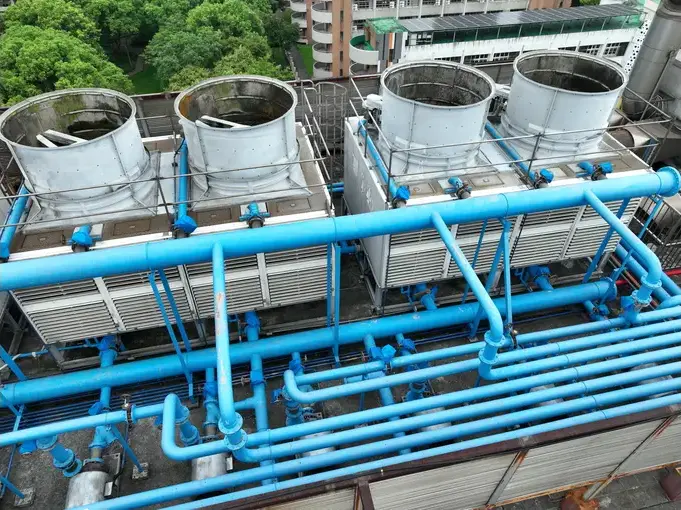
Cooling towers rely on several moving mechanical components to operate efficiently, including fans, motors, belts, bearings, shafts, and gearboxes. Because of this, some vibration during normal operation is expected. However, excessive, unusual, or increasing vibration can be an early sign that something within the system needs attention.
If left unresolved, vibration can accelerate wear on mechanical components, loosen hardware, reduce equipment reliability, and eventually contribute to more extensive repairs or unexpected downtime. In many cases, the sooner the source of the vibration is identified, the easier it is to correct the underlying issue before additional damage occurs.
Understanding the common causes of cooling tower vibration and knowing what warning signs to look for can help facility teams respond quickly and keep equipment operating safely and reliably.
Cooling tower vibration issues are commonly caused by:
- Fan imbalance, damaged blades, or incorrect blade pitch
- Worn or improperly lubricated bearings
- Loose belts, improper belt tension, or misaligned sheaves
- Misalignment involving motors, shafts, couplings, or gearboxes
- Loose mechanical hardware or structural components
- Wear or damage within the cooling tower drive system
Routine inspections and vibration analysis can help pinpoint the source of excessive vibration so the underlying mechanical issue can be corrected before it leads to more significant equipment damage.
What does excessive cooling tower vibration look like?
Cooling towers naturally produce some sound and movement during operation, so the key is recognizing when something changes. Excessive vibration may develop gradually or appear suddenly, depending on the mechanical issue behind it.
Common warning signs can include:
- New rattling, grinding, humming, or knocking sounds
- Visible shaking around the fan deck, motor, or drive assembly
- Increased vibration during startup or at certain fan speeds
- Loose bolts or hardware that repeatedly require tightening
- Uneven or accelerated wear on belts, bearings, or other components
- Changes in the way the tower sounds or operates during normal use
Facility teams that regularly work around the equipment are often the first to notice these changes. Even a small increase in vibration can be worth investigating, particularly when it is accompanied by unusual noise or visible movement. Identifying the issue early can help prevent additional wear on connected components and reduce the likelihood of a more extensive repair.
Common causes of cooling tower vibration
Excessive vibration is usually a symptom of an underlying mechanical problem rather than a problem on its own. Identifying where the vibration is coming from is important because several components within the cooling tower can produce similar warning signs.
Fan Imbalance or Damage
The fan is one of the most common sources of cooling tower vibration. Dirt or debris buildup, damaged blades, improper blade pitch, or bent components can prevent the fan from rotating evenly. Even relatively small differences between blades can create an imbalance that becomes more noticeable as fan speed increases. Left uncorrected, that vibration can place additional stress on bearings, shafts, and other parts of the drive system.
Worn Bearings
Bearings support rotating components and are subject to wear over time. Inadequate lubrication, contamination, misalignment, or normal aging can cause a bearing to deteriorate and produce increased vibration, noise, or heat. A failing bearing can also affect nearby components if the problem continues to worsen.
Belt and Sheave Problems
On belt-driven cooling towers, proper belt tension and sheave alignment are essential for smooth operation. Belts that are worn, too loose, or too tight can introduce vibration into the system. Misaligned sheaves can also cause uneven belt wear and place unnecessary stress on bearings and shafts.
Motor, Shaft, Coupling, or Gearbox Misalignment
Mechanical components within the drive system need to remain properly aligned. When motors, shafts, couplings, or gearboxes shift out of alignment, vibration can travel through the assembly and affect multiple components. Misalignment may develop gradually as equipment wears or after maintenance work if components are not properly positioned.
Loose Mechanical or Structural Components
Loose fasteners, motor mounts, bearing supports, fan assemblies, or structural connections can create vibration or amplify vibration coming from another source. Repeated loosening of hardware can also be an indication that a separate mechanical issue is already present.
Because several problems can produce similar symptoms, determining the root cause is critical. Correcting only the visible effect of the vibration without addressing the source can allow the problem to return and lead to additional wear.
How vibration analysis helps find the source
When the source of excessive vibration is not immediately visible, vibration analysis can help identify where the problem is developing. Rather than relying only on sound or noticeable movement, technicians can take measurements at specific points around the cooling tower’s mechanical equipment and compare how different components are operating.
These measurements can help narrow down whether the vibration is related to a fan imbalance, worn bearing, alignment issue, motor, gearbox, or another part of the drive system. They can also help determine whether the vibration is isolated to one component or being transferred through connected equipment.
Vibration analysis is especially valuable because some mechanical problems begin developing before they create obvious visual signs. Identifying those changes early gives maintenance teams an opportunity to address wear or misalignment before a component fails and causes unplanned downtime.
When combined with a physical inspection, vibration analysis provides a clearer picture of what is happening within the system and helps guide the appropriate repair.
Fixing the problem starts with the root cause
Once the source of the vibration has been identified, the next step is correcting the underlying mechanical issue rather than simply reducing the visible symptoms. The required repair will depend on what is causing the vibration and how long the condition has been developing.
In some cases, the solution may involve tightening loose hardware, correcting belt tension, or realigning sheaves, shafts, motors, or gearboxes. Worn bearings may need to be lubricated or replaced, while damaged fan blades or other fan components may require repair, adjustment, or replacement. If the vibration is being caused by a motor, gearbox, coupling, or structural support, those components may need further inspection and corrective work.
Addressing the root cause is important because vibration can place stress on multiple connected components. Replacing one worn part without correcting the condition that caused the wear can allow the same problem to return.
After repairs are completed, the cooling tower should be operated and evaluated again to confirm that vibration levels have returned to an acceptable range and that the mechanical system is running smoothly.
Preventing vibration problems through routine maintenance
Routine cooling tower maintenance is one of the most effective ways to reduce the risk of excessive vibration. Many vibration problems begin with gradual wear, minor alignment changes, loose hardware, or lubrication issues that can be identified during a scheduled inspection.
Mechanical maintenance should include checking belts for proper tension and wear, inspecting and lubricating bearings, confirming sheave and shaft alignment, examining fan assemblies, and verifying that fasteners and mounting points remain secure. Motors and gearboxes should also be inspected for signs of unusual movement, noise, heat, or wear.
It is also helpful to establish a consistent operating baseline for the tower. Facility teams that are familiar with how the equipment normally sounds and feels during operation may be able to identify subtle changes before they develop into more serious problems.
Vibration issues rarely correct themselves. Early inspection and maintenance can help prevent minor mechanical concerns from becoming more extensive repairs and can support more reliable cooling tower operation over time.
Address cooling tower vibration before it becomes a bigger repair
Excessive vibration can be one of the earliest signs that a cooling tower component is beginning to wear, shift out of alignment, or fail. While the problem may initially appear minor, continued operation can increase stress on fans, bearings, motors, gearboxes, and other mechanical components.
Landover Cooling Tower Services can inspect cooling tower mechanical systems, perform vibration analysis when needed, identify the source of the problem, and complete the necessary repairs.
Regular preventive maintenance can also help identify developing conditions before they lead to unexpected downtime or larger repair needs.
If your cooling tower is producing unusual noise, visible movement, or increasing vibration, contact Landover Cooling Tower Services to schedule an inspection. Our team can help identify the cause of the vibration and recommend the appropriate repair or maintenance steps to keep your system operating reliably.