
Managing Increased Algae Risks in the Year's Rising Temps
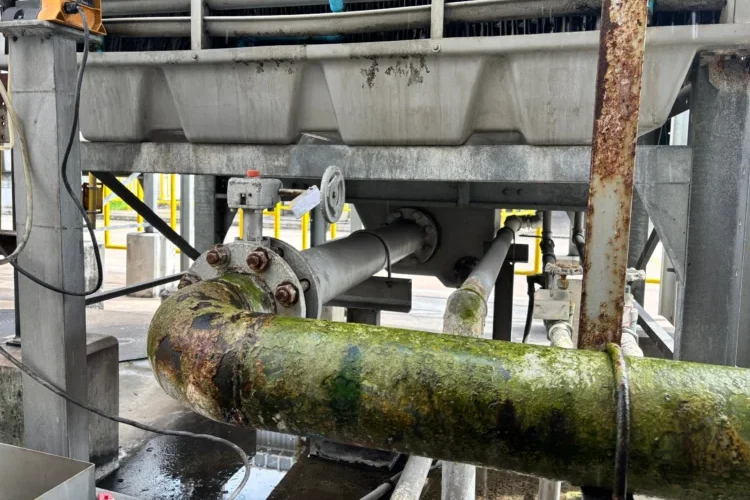
As spring shifts into summer, commercial and industrial cooling systems are working harder than ever to maintain optimal indoor environments and support operations. However, the heat brings more than just mechanical strain to your equipment.
Warmer weather, combined with exposure to sunlight, creates the perfect breeding ground for rapid biological growth. When left unchecked, algae in cooling tower basins and water distribution systems can quickly multiply, leading to a cascade of operational and safety issues.
Addressing this threat requires more than a reactive response. In this article, we will show how to keep algae growth minimized.
- We first look at what kind of environmental settings create an algae growth problem.
- Then, we address the hidden dangers of biofilms and bacterial threats.
- From there, we move into the actionable steps to be taken against such threats.
- Finally, our article details how Landover Cooling Tower Service is experienced in maintaining a top-quality cooling tower system for your business.
How rising temperatures accelerate algae growth
To understand the risk, consider the basic biology of algae. These organisms require three primary elements to thrive: sunlight, airborne nutrients, and warm water. As ambient temperatures climb during the summer months, the water temperature within your cooling tower naturally rises alongside them.
This temperature spike acts as a biological catalyst, dramatically accelerating the reproductive cycle of any algae spores present in the system. What might start as a minor green tint in the basin can explode into a massive algal bloom in just a matter of days. This rapid growth spells serious trouble for your system's performance.
As algae multiply, thick, heavy mats accumulate in the basin and on sunlit surfaces. Eventually, this biological mass breaks loose and circulates throughout the system, clogging strainers and obstructing the fill media.
When water cannot flow evenly across the fill, the surface area available for evaporation shrinks, severely impairing the tower's heat transfer capabilities. Your chillers and pumps must then work much harder to reject heat, which drives up energy consumption and places unnecessary wear and tear on your valuable equipment.
Biofilms and bacterial threats
Beyond the mechanical headaches, algae introduce a much more insidious threat to your cooling water system. Dead and decaying algae serve as a nutrient-rich food source for bacteria.
As these bacteria feed and multiply, they secrete a sticky, protective slime matrix known as biofilm, which aggressively clings to tower surfaces. This slime is incredibly resilient. Standard chemical biocides often bounce right off its surface, leaving the bacteria underneath completely unharmed.
Because of this, mechanical biofilm disruption is a mandatory step in proper tower maintenance. If biofilm is allowed to persist, it acts as a safe harbor for dangerous pathogens, most notably Legionella pneumophila.
As such, controlling algae and breaking down these protective slime layers are not just operational concerns-they are foundational necessities for effective Legionella prevention and maintaining facility health compliance.
Actionable strategies for managing algae risks
Fighting back against summer algae blooms requires a comprehensive, multi-layered approach. Here are the most effective strategies for protecting your system:
Routine Water Treatment
Implement a properly balanced chemical water treatment program. Utilizing algaecides and biocides tailored to your system's specific water chemistry will help suppress biological growth before it spirals out of control.
Physical Remediation
Chemicals alone cannot solve a severe algae or biofilm problem. Professional, physical cooling tower cleaning is essential to strip away dead algae, mineral scale, and stubborn biological buildup from the basin, fill, and distribution pans.
Sunlight Mitigation
Since algae need sunlight to photosynthesize, installing cooling tower basin covers or louvers can effectively starve the organisms of the light they need to survive.
Frequent Inspections
During the peak summer heat, increase the frequency of visual inspections. Catching an algae bloom early is significantly easier-and cheaper-than remediating a system that has been completely overrun.
Landover maintenance keeps you ahead
Staying ahead of algae and biological growth is ultimately about protecting your equipment investment and ensuring the safety of your facility. As temperatures climb, do not wait for your cooling tower's performance to drop or a failed water test to take action.
With over 35 years of factory-authorized experience, Landover Cooling Tower Service is ready to help. Our factory-trained technicians (certified for Marley, BAC, and Evapco) specialize in proactive maintenance, comprehensive cleanings, and full health compliance. Whether you manage a commercial property in New Jersey or New York, or a data center in Northern Virginia, we have you covered.
Contact us today to schedule an evaluation or routine maintenance before the extreme heat hits. Your cooling towers are our priority, 24/7/365.